
September 8 is the 60th anniversary of International Literacy Day, a day designed to highlight the importance of literacy and champion outstanding literacy efforts.
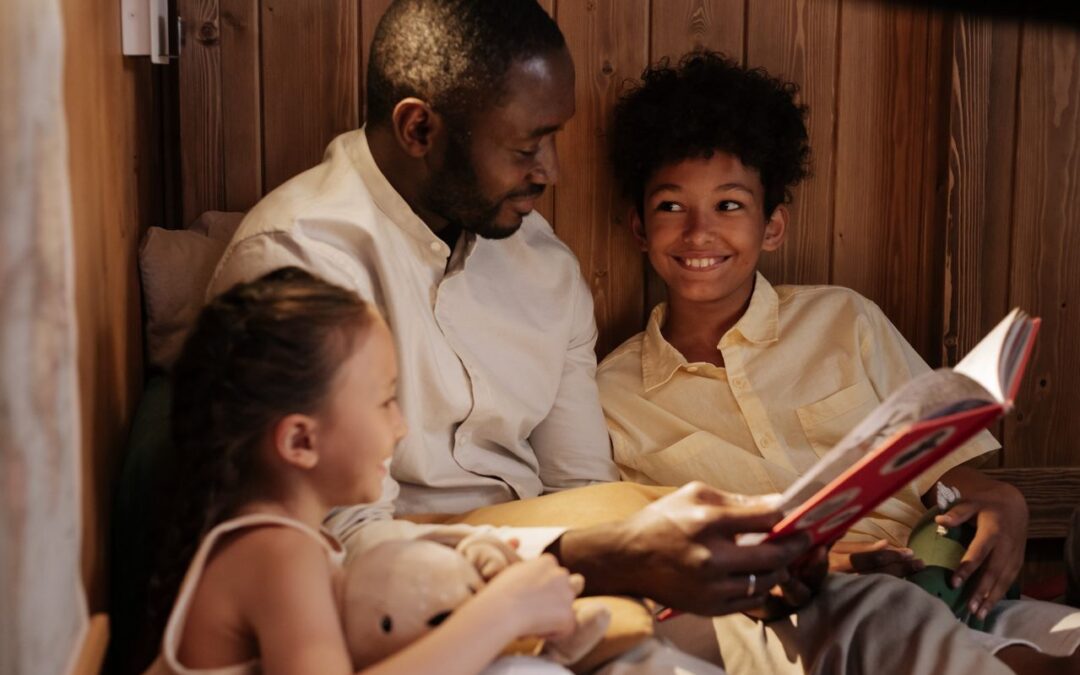
For some families, there’s nothing better than a good bedtime story. Nightly 20-minute reading sessions create delightful memories and strong families, but parents should also know that they’re helping their young one read well in the future. Young children develop the parts of their brains associated with literacy before they are born, and signs of reading challenges are visible in the brain at as young as 18 months. The American Library Association reports that 3- to 5-year-olds who had been read to for at least three times per week are two times more likely to recognize all letters, two times more likely to have word-sight recognition, and two times more likely to understand words in context.
There are many free books available to Minnesota families, from the local library to free book programs like Dolly Parton’s Imagination Library.
Literacy isn’t just important for school-aged children. It’s vital that adults engage in long-form reading (like novels or lengthy essays) regularly. Unlike intuitive skills, like riding a bike, reading skills atrophy if not used. There’s no “reading center” in the brain. When adults read, they’re improving their cognitive reasoning ability, expanding their ability for empathy, and opening up their imagination.
It can be delightful to crack the spine on a new book, but that activity certainly isn’t trite—adult pleasure reading is an important habit for good citizenship. Adults have civic responsibilities that often require high levels of literacy. Citizens should be able to read books about the history of their nation and their neighbors, read current news stories with prudence, and vote responsibly on very complicated ballot questions. Performing those responsibilities requires well-practiced reading ability.
Many adults, perhaps swayed by the short-form content endlessly available on their devices, aren’t reading regularly. A recent study published in the journal IScience found that the number of adults who read for pleasure in the United States has continued to fall. While 26 percent of adults read for pleasure in 2003, 2023 data suggests that only 16 percent of adults regularly read for pleasure. The National Endowment of the Arts noted that in 2022, only 48.5 percent of American adults completed a book at all during the year. If Americans can reverse those trends, they may find themselves slower to anger and more understanding of their neighbors.
All Minnesota adults, even those who are out of practice, can certainly choose to enjoy a new book today. Libraries are open and free, and Minnesota boasts a thriving literary publishing scene. It’s never been easier to find a new group to read or write alongside.
For International Literacy Day, it’s worth considering how Minnesotans can invest in literacy for the next generation. Currently, Minnesota schools are under structural strain, and they’ve struggled to maintain or increase reading ability in students. The majority of Minnesota third graders cannot read at grade level. As my colleague Catrin Wigfall has written, Minnesota’s literacy scores have declined for some time. For example, Minnesota’s fourth grade reading performance on national tests has declined significantly over the past ten years, to the extent that historic low-performers like Mississippi have now invested enough in early reading infrastructure to surpass Minnesota’s performance.

It’s possible to champion Mississippi’s accomplishments and, at the same time, see their rising early literacy excellence as a challenge. How can Minnesotans improve the READ Act? How can they practice literacy stewardship in their own communities?
One simple answer is for families to visit their local library, choose an interesting book, and read for a half hour tonight as they celebrate International Literacy Day. UNESCO, the originator of International Literacy Day, argues this in favor of global literacy efforts:
Literacy is a fundamental human right for all. It opens the door to the enjoyment of other human rights, greater freedoms, and global citizenship. Literacy is a foundation for people to acquire broader knowledge, skills, values, attitudes, and behaviours to foster a culture of lasting peace based on respect for equality and non-discrimination, the rule of law, solidarity, justice, diversity, and tolerance and to build harmonious relations with oneself, other people and the planet.