A family is a significant investment, and sometimes an expensive one. As back-to-school season begins, parents are combing through their school district’s packing lists, rifling through growing children’s closets, and pulling out the budget sheets to see how the entire period will impact their monthly balance.
According to a 2026 PWC survey, families plan to spend $922 this year on back-to-school shopping. Almost half (47 percent) plan to spend more than they did last year.
That price tag doesn’t just reflect school supplies. Families mentioned that they also plan to spend money on clothing, technology, and activity equipment. On average, parents planned to spend $122 specifically on school supplies.
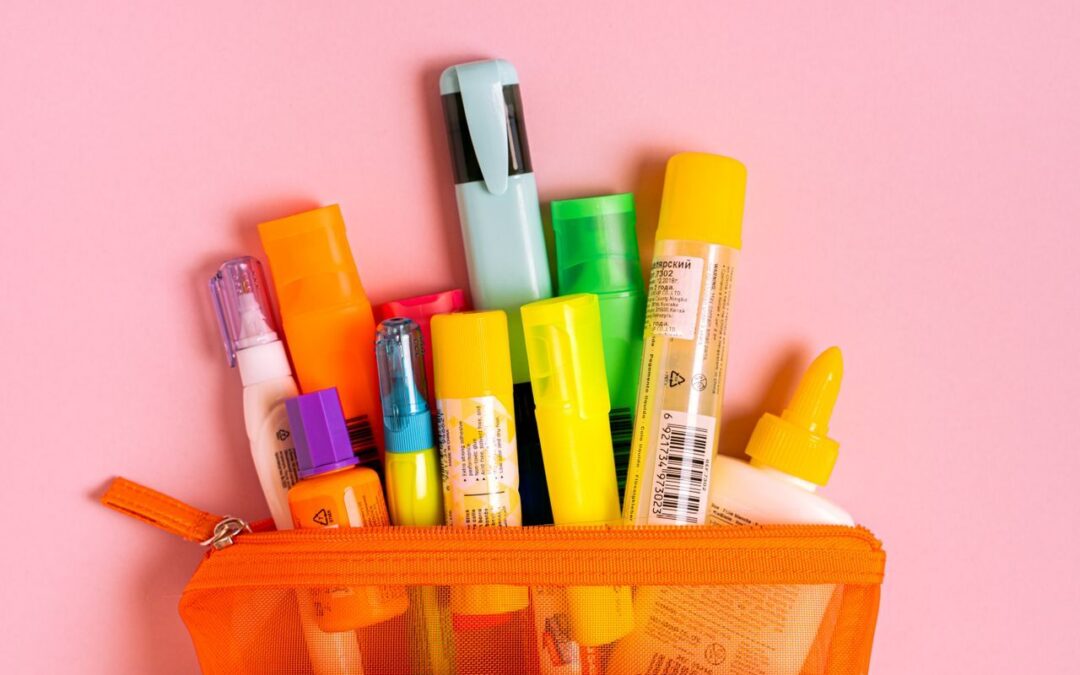
In Minnesota, the school supply price tag might vary. The Anoka-Hennepin Adams Elementary School’s third grade supply list contained modest basics like corded headphones, glue sticks, and colored pencils. A purchase of all the supply list items from name brands would run about $155. Parents who shop sales or store-brand items would find it easy to bring that total down.
Minnesota has many resources available for parents looking for free back-to-school supplies. Events in many districts supply items like backpacks, school supplies, immunizations, shoes, or even haircuts.
Other costs, like clothing or locker decorations, might be rising as family dynamics shift. A majority (61 percent) of families let children add items directly to an online cart, either through adding items directly to a parent cart or through their own attached amount. Children naturally drawn to name brands or exciting items might benefit from adult supervision, lest they bankrupt Mom and Dad with fun-smelling pencils.
But children might find themselves scoring big with a large back-to-school cart this year, as the majority (58 percent) of parents named “child preferences” as a factor influencing purchases. “Child preferences” was a more popular purchase factor than school-provided supply lists, sales and discounts, or online reviews. In a trend-based, social media-driven school ecosystem, it seems that parents are prepared to loosen the pursestrings so that children can feel fully satisfied with their possessions.
Back-to-school season allows Minnesotans to showcase their famously generous spirit. National polling from Morning Consult suggests that about 1 in 3 parents of school-age children donate to K-12 education, and about 1 in 5 adults also donate. About three fourths of all school donations are earmarked for public schools. Minnesotans should attempt to raise those numbers by donating their money, resources, or time to their local school.
Parents in certain states may see their bill for after-school activities disappear in the future. The new federal tax credit scholarship opens up significant avenues of new funding to public and private school students, as it incentivizes private donations to scholarship granting organizations. Those scholarships could easily cover the cost of activities like band, football, and drama for students at public and private schools. However, Minnesota has not yet agreed to allow scholarship granting organizations to operate, leaving a potential $400 million to flow to other states.
As students get back on the bus this fall, families might feel excitement, curiosity, or even a bit of sadness. Within all those feelings, they shouldn’t have to have anxiety about the school supply bill, especially as costs continue to rise elsewhere. Minnesota’s government should work to allow scholarship granting organizations, just as Minnesota’s generous homes should continue providing opportunities for donated school supplies. Let’s take the financial burden off young families as much as possible.