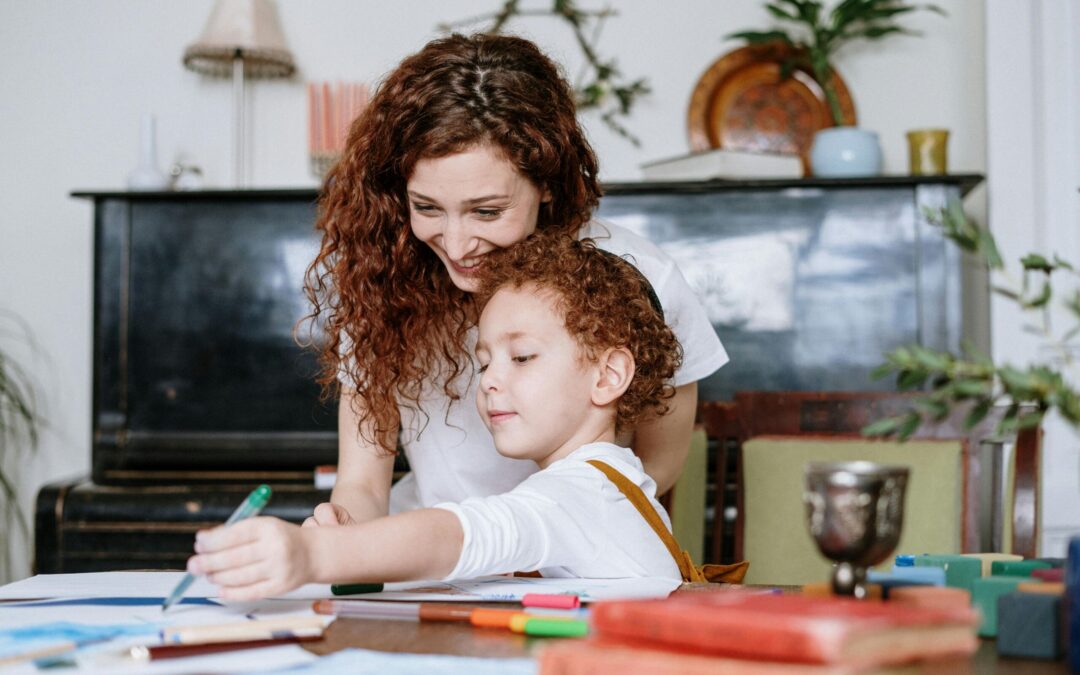
Home education enrollment in Minnesota hit a record-high for the 2025-26 school year, surpassing even the spike during COVID-era school closures.
Data from the Minnesota Department of Education reports 32,024 students are being home educated this school year, which is up just under 3 percent from the previous year (also a record). Since pre-COVID, homeschool enrollment has risen by 55 percent.
While homeschooled students still account for under 4 percent of Minnesota’s total K-12 population, the climbing numbers suggest sustained interest in alternatives to traditional schooling. New and expanding homeschool classes, tutoring, co-operatives, and other resources may also be making home education more accessible to families who previously felt it was out of reach.
The growth stands in contrast to broader enrollment trends. Public schools still educate roughly 90 percent of Minnesota students, but have seen slight declines in recent years. Nonpublic enrollment has also ticked down. (Declining birth rates and net domestic migration losses are cited as contributing factors.)
An informal poll published June 2024 by Homeschool Sherpa, a resource site created by two Minnesota home educators, surveyed 170 Minnesota homeschool families over nine days and found their top three reasons for homeschooling — “family time” and “dissatisfaction with traditional schools” (both at 56 percent), followed by “lifestyle flexibility” at 49%.
With enrollment shifts likely to continue, Minnesota policymakers and school leaders have an opportunity to rethink how to attract and retain students. Nationally, a broader parent-driven realignment in education is already underway, and some school systems are beginning to adapt.
As highlighted in a recent Forbes analysis by Kerry McDonald of the Foundation for Economic Education, one district is launching microschool-style classrooms designed to offer smaller, more personalized learning environments that mirror what many families are seeking outside traditional schools. A similar effort here in Minnesota — focused on expanding options and better aligning with parent expectations — would certainly be worth exploring.